

 Robert Shaw
Futures Wrap: Oil Plunges on Trump Iran Deal Comments, Nasdaq Slips as Yields Rise — May 21, 2026
Crude oil dropped over 5% after Trump signaled the US is in final stages with Iran, then reversed as Tehran hardened its uranium position. Nasdaq and S&P 500 fell on rising Treasury yields while jobless claims beat expectations.
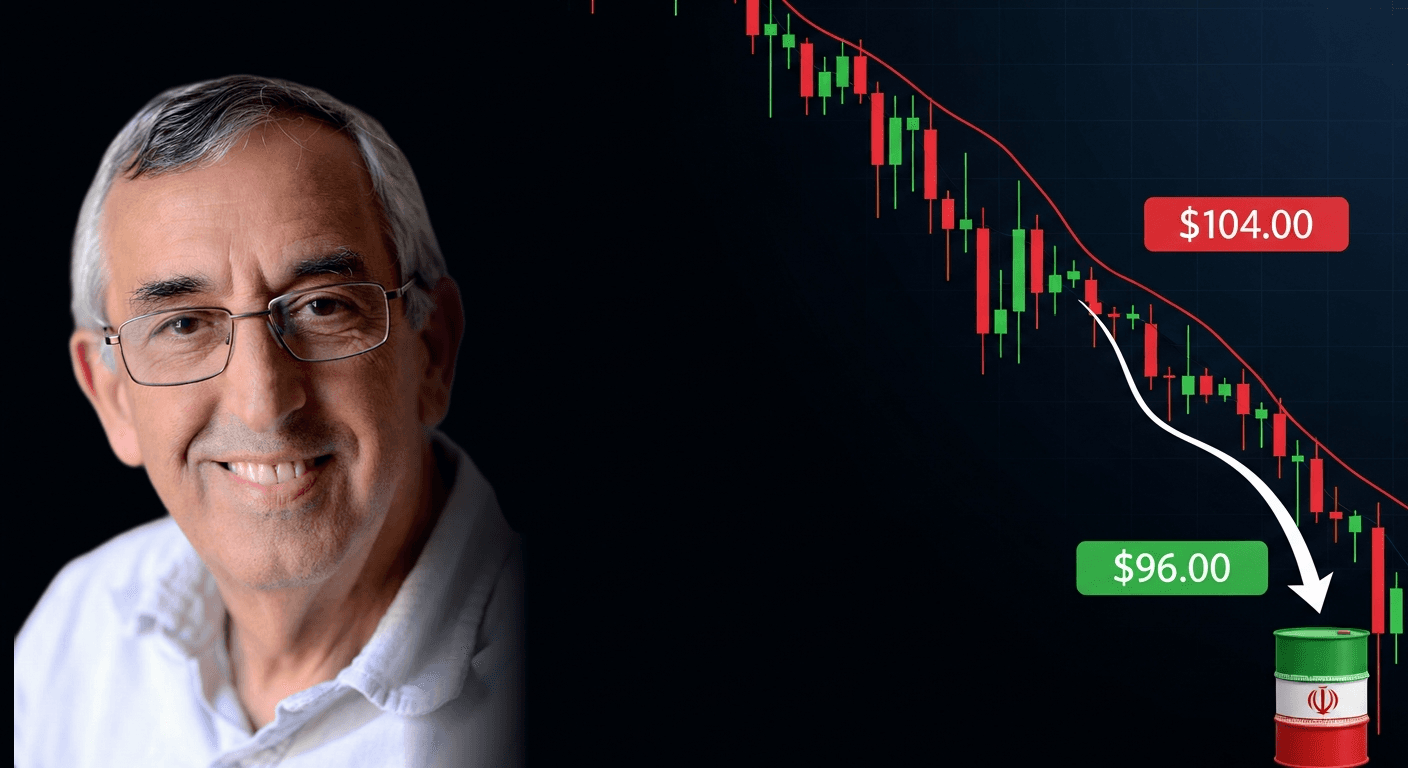
Crude oil grabbed the headlines on Thursday, plunging over 5% intraday after President Trump said the US is in the "final stages" with Iran. By the close, July WTI settled near $97 per barrel, down roughly $6 from Wednesday. Then Iran's Supreme Leader threw cold water on the optimism by ordering enriched uranium to stay within the country. Traders who thought they had a clear directional read found themselves whipsawed.
Meanwhile, equity index futures gave back some of Wednesday's Nvidia-fueled gains. The Nasdaq dropped 0.48%, the S&P 500 slid 0.35%, and only the Russell 2000 managed to stay green (barely, at +0.08%). Rising Treasury yields did the damage, with the 10-year ticking higher as the Fed minutes confirmed that rate hikes remain on the table if inflation persists.
This is the kind of session that separates disciplined traders from the rest. Volatility creates opportunity, but only if you have a plan and the capital to execute it. Here's how the day unfolded and what to watch heading into Friday.
The Scoreboard
Here's where the key futures contracts settled on Thursday, May 21:
- E-mini S&P 500 (ES): 7,441 (-0.35%)
- E-mini Nasdaq 100 (NQ): 21,680 (-0.48%)
- Mini Dow (YM): 43,250 (-0.17%)
- WTI Crude Oil (CL): $96.82 (-5.66%)
- Gold (GC): $4,516.30 (+0.05%)
- Silver (SI): $75.12 (-1.40%)
The energy complex dominated price action. Crude's single-day 5.66% drop marks one of the largest moves in months, and it came on above-average volume as traders scrambled to reposition around the Iran headlines.
What Happened
Crude Oil: The Iran Whipsaw
The session started with Trump's comments that the US is in the "final stages" of talks with Iran. Crude plummeted immediately. The logic was straightforward: if a deal materializes, Iranian oil comes back online, sanctions ease, and supply increases. That means lower prices.
But the rally in short positions hit a wall when Reuters reported that Iran's Supreme Leader issued a directive to keep enriched uranium within the country. This complicates one of the key US demands and suggests negotiations are far from settled. Iran also announced a "Persian Gulf Strait Authority" and referenced a "controlled maritime zone" in the Strait of Hormuz, language that made traders nervous.
Despite Thursday's selloff, crude remains nearly 50% above pre-conflict levels. The CME Group data shows open interest in WTI futures remains elevated, which means traders are still heavily positioned for continued volatility.
Equity Indexes: Yields Take the Wheel
Wednesday's session saw the S&P 500 and Nasdaq 100 hit new all-time highs after Nvidia crushed earnings expectations. But Thursday brought a reality check. Rising Treasury yields weighed on growth stocks, and only 178 of the 500 S&P components ended in positive territory.
The Federal Reserve's meeting minutes didn't help bulls. Officials indicated that rate increases remain on the table if inflation stays above the 2% target. With oil prices volatile and geopolitical uncertainty high, the path for rates remains unclear.
The Russell 2000 was the sole major index to finish green, and by a razor-thin 0.08%. Small caps tend to be more domestically focused and less rate-sensitive than the tech-heavy Nasdaq, which explains the relative outperformance.
Gold and Silver: Stuck in the Middle
Gold futures opened higher at $4,548 but drifted lower throughout the session, settling around $4,516. The metal is caught between two narratives: hope for an Iran deal (bearish for gold as a safe haven) versus skepticism that talks will succeed (bullish).
Silver underperformed, dropping 1.4% to $75.12. The silver/gold ratio shifted slightly in gold's favor, which often happens when risk appetite is uncertain. If you're trading metals, watch for a breakout in either direction once the Iran situation clarifies.
Economic Data: Labor Market Holds Steady
Initial jobless claims came in at 209,000 for the week ending May 16, below the 213,000 economists expected. Layoffs remain historically low, which sounds good on the surface. But the "low-hire, low-fire" dynamic means unemployed workers are struggling to find new positions. The unemployment rate has hovered near 4.3%.
April's jobs report showed 115,000 new positions added, a decent number but below the pace needed to absorb new labor force entrants. The geopolitical uncertainty from Iran adds another variable that could shift hiring decisions in the months ahead.
Stock Movers: Walmart Weighs, Gates Soars
Walmart shares fell nearly 2% after the retail giant issued weaker-than-expected full-year guidance. Management cited higher fuel costs linked to the Iran situation as a headwind for profit growth. When the world's largest retailer says energy costs are biting, traders pay attention.
On the other side, Gates Industrial surged 15.8% in premarket trading on optimism around its acquisition of The Timken Company's belts business. Industrials continue to show strength as infrastructure spending and onshoring trends support demand.
What Traders Are Watching Tomorrow
Friday's calendar is lighter on data, which means geopolitics will likely drive price action again. Here's what to monitor:
- Iran headlines: Any official statement from Tehran or Washington on negotiations. The uranium directive threw a wrench into the process, but talks could still progress.
- Strait of Hormuz: Iran's "controlled maritime zone" language is concerning. Any naval activity or shipping disruption would send oil sharply higher.
- Treasury yields: The 10-year's direction matters for tech and growth stocks. A pullback in yields would support NQ and ES.
- Crude's 200-day moving average: WTI is approaching technical support. If it breaks, the next leg lower could be swift.
For oil traders, the risk/reward setup is tricky. You're betting on politics, not technicals. That's fine if you size appropriately, but it's no place to be overleveraged.
ETF Corner: Trading Volatility Without Personal Risk
Sessions like today are why funded trading accounts exist. A 5% move in crude oil creates massive opportunity, but it also creates massive risk if you're trading your own capital. Blowing up a personal account on a headline-driven spike isn't just painful. It can end a trading career.
With Elite Trader Funding, you trade simulated futures using our capital. You keep up to 100% of your first $12,500 in simulated profits, then 80% after that. No daily loss limits on most plans. Account sizes range from $50K to $250K.
If you want to trade CL, GC, ES, or NQ during volatile sessions like today, our 250K Live Trailing evaluation gives you room to trade size. The loss limit trails your high-water mark, so you lock in gains as you go. It's designed for traders who want flexibility, not traders who need hand-holding.
Already have an evaluation? Check out the testimonials from traders who've passed and collected payouts. Over $13 million paid out to date.
Prefer to skip the evaluation entirely? The Direct to Funded (DTF) plans get you into a funded account immediately. No profit target, no minimum trading days. You pay once and start trading for real payouts the next business day.
The rewards program lets you earn points on every purchase and redeem them for discounts or swag. And if you know traders who'd benefit, the affiliate program pays up to 15% commission on referrals.
Final Word
Today was a reminder that markets can move fast when politics take center stage. Crude dropped 5% in hours, then stabilized. Gold couldn't pick a direction. Equities faded. The traders who did well were the ones who respected the volatility rather than chasing it.
See you tomorrow. Trade with a plan.
Robert Shaw writes the daily Futures Wrap for Elite Trader Funding. Want to put your strategy to the test? Check out our trading competitions for a chance to win prizes and prove your skills.